Power Outage
A power outage can be planned, or totally unexpected. It can last a few hours, or weeks. Power outages effect communications, water, and transportation. Without power businesses are closed, which means no grocery stores, no gas stations, no ATMs or banks, or any other business that relies on electricity.
Two major issues with power outages are the potential for food spoilage and water contamination.
Prepare
It may not happen, but it could
Make sure you have a flashlight with extra batteries for everyone in your household.
Stock up on non-perishable foods and water. You should have at least a gallon of water per person, per day.
Put a thermometer in the refrigerator and freezer while the power is out, and avoid opening up either.
After power is returned, throw out food if the temperature is 40 degrees or higher.
Always keep your mobile phones fully charged, as well as other electric equipment.
Make sure you have a full tank of gas, another just in case precaution.
Survive
In the dark, but prepared and ready
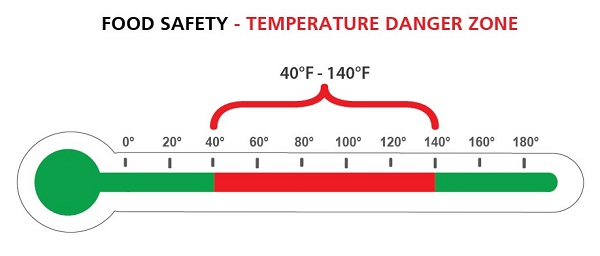
Refrigerators, left closed, will keep food cold for about 4 hours.
Freezers, left closed, will keep the food cold for about 48 hours.
Keep at least a 3 day supply of non-perishable foods for each person.
Disconnect all appliances, electronics, and equipment to avoid damage when the power does come back on.
Recover
When in doubt, toss it out
Toss out any food that was exposed to temperatures above 40 degrees for two hours or more.Also throw out any foods that have an unusual odor, color, or texture.
Medications that are refrigerated should be tossed if the power is out for more than a day.
Active Shooter Earthquake Floods Hurricane Pandemic
Power Outage Riots Tornado Wildfire Winter Weather


©2022 Urban-Prepper | Bogie
00010011 01010100